Choosing the right surface prep method can mean the difference between a long-lasting finish and a costly redo. This article breaks down sandblasting versus dustless techniques so contractors and DIY users in Mesa, AZ, can make a confident choice before buying equipment or hiring out.
How Does Each Method Work?
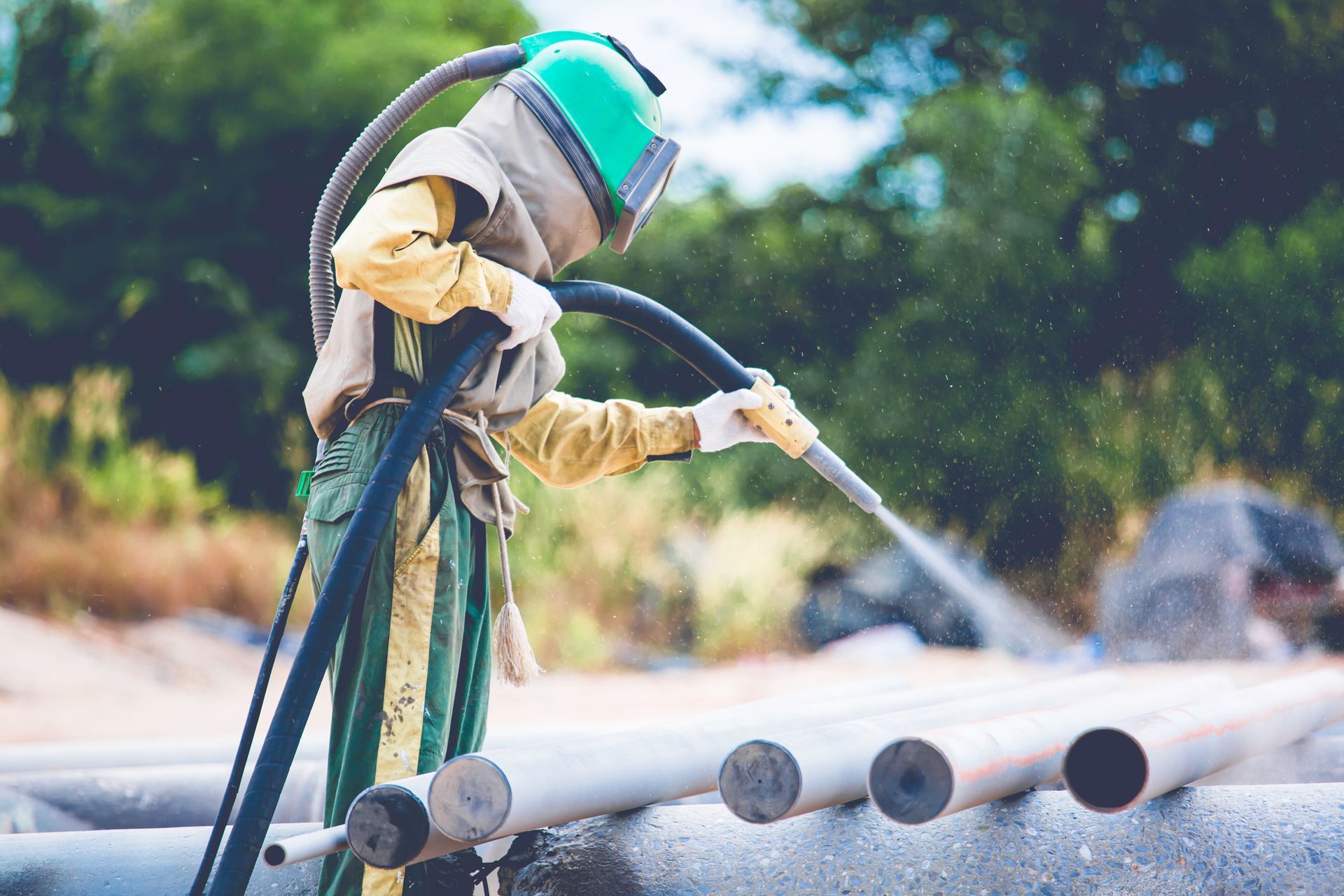
Traditional sandblasting and dustless systems both use pressurized equipment to propel abrasive media at a surface. The key difference is water.
Traditional Sandblasting
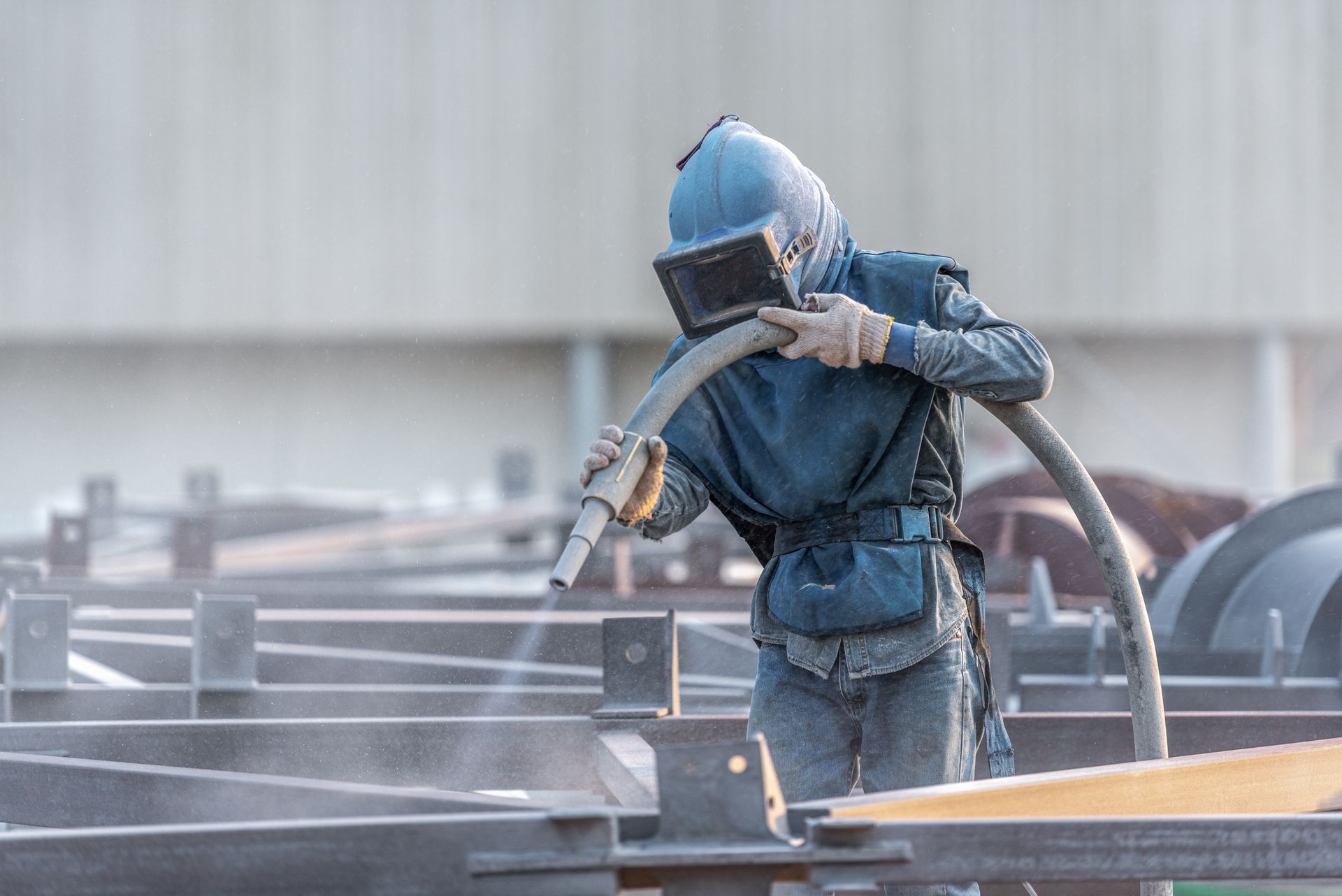
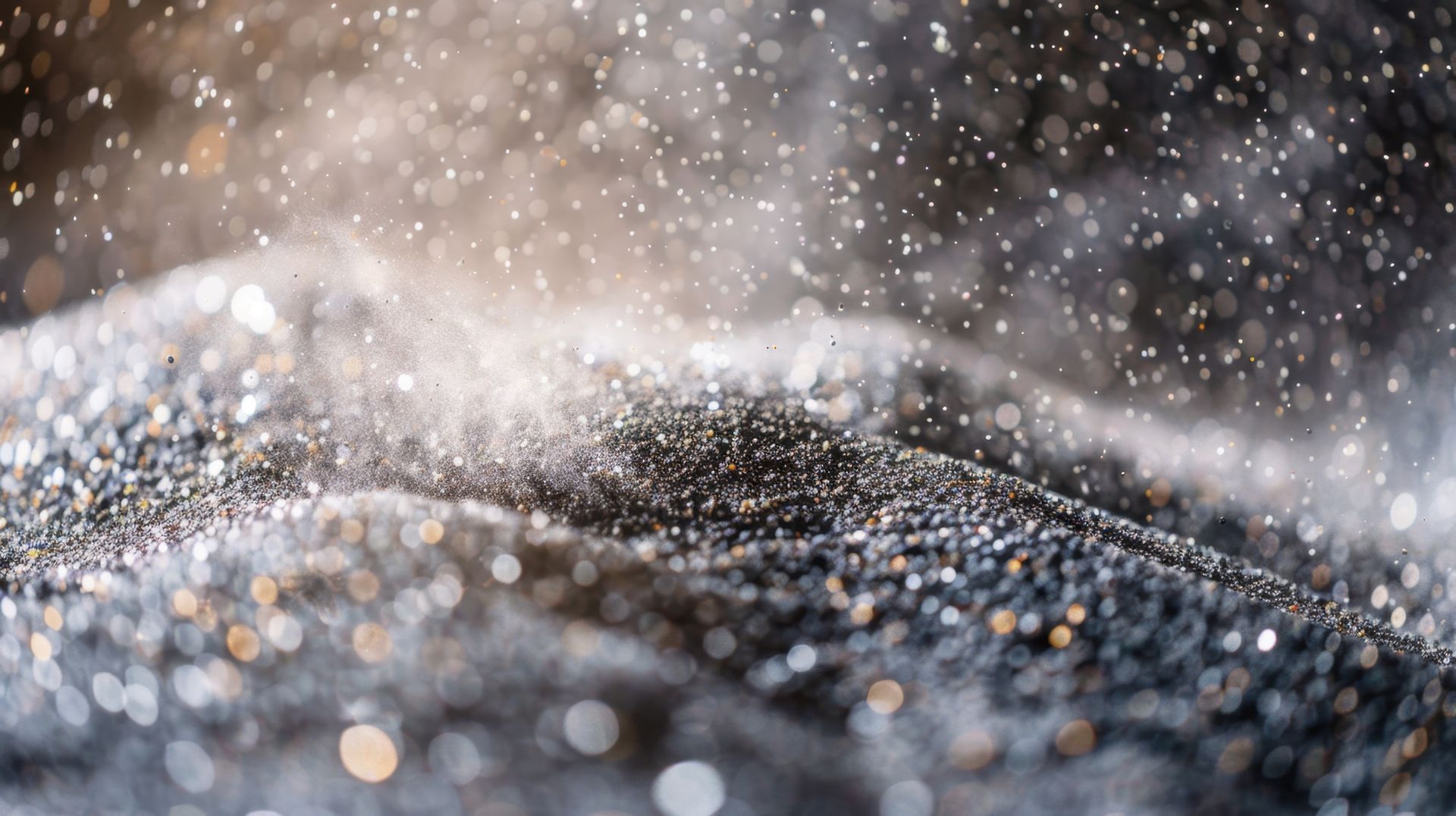
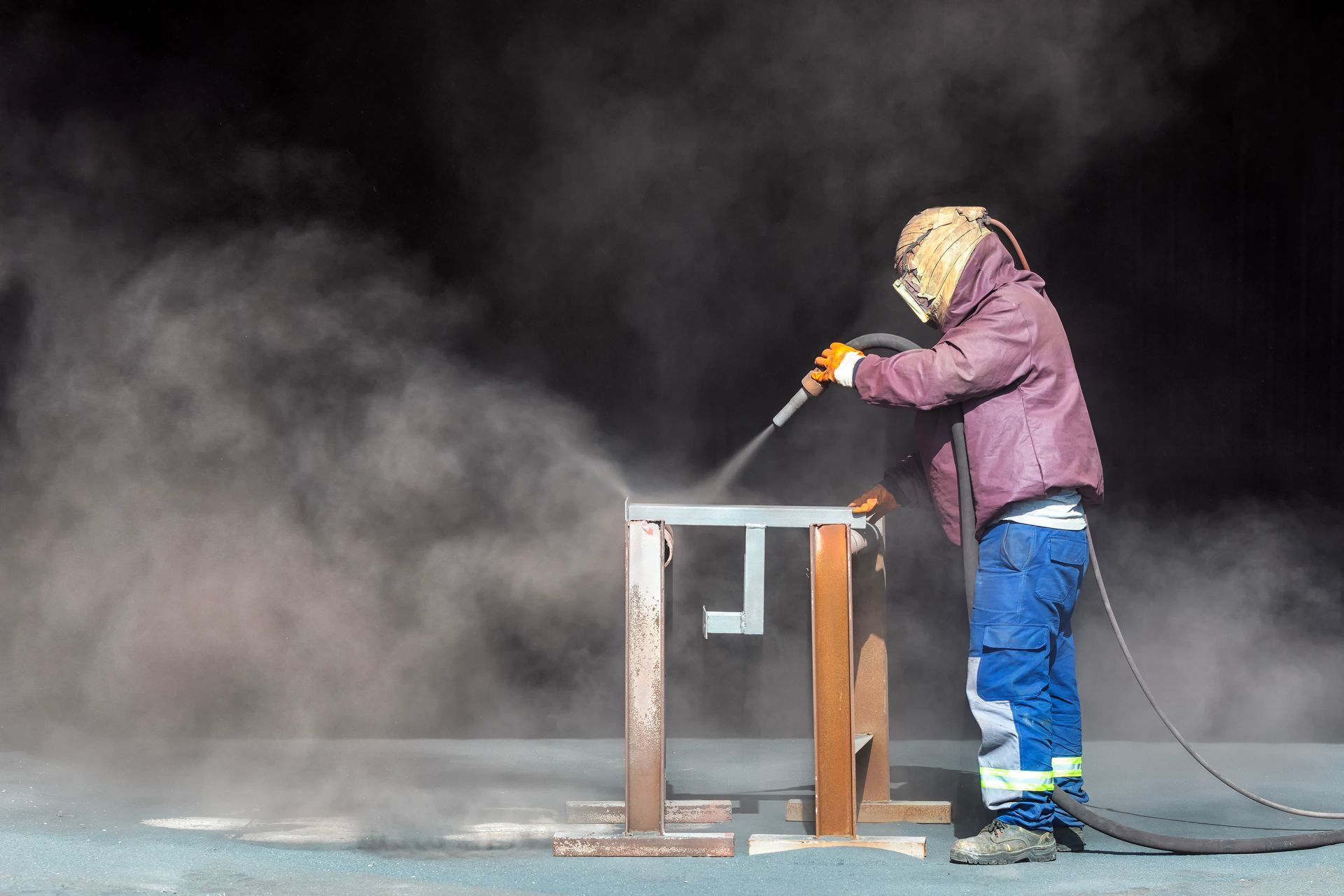
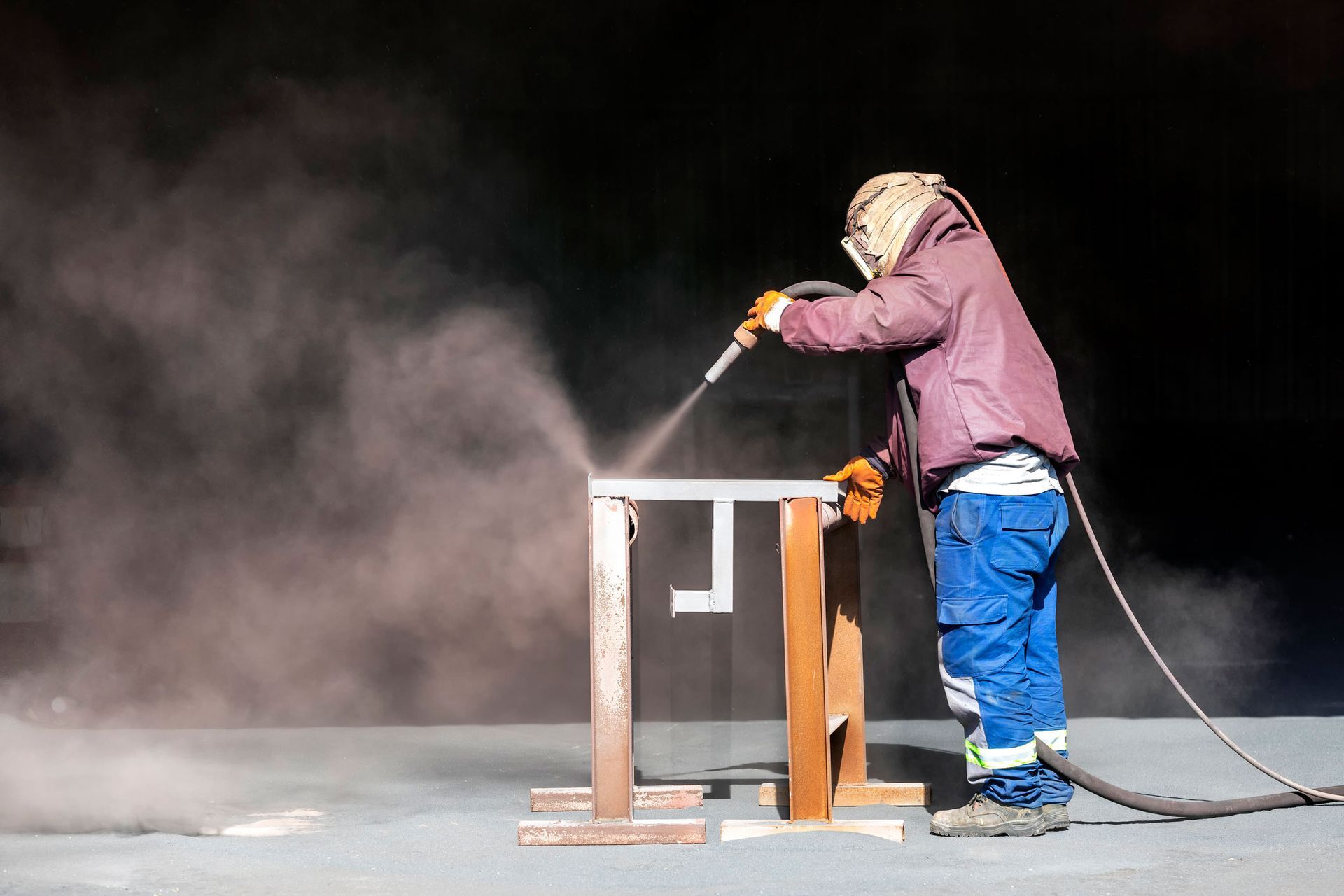
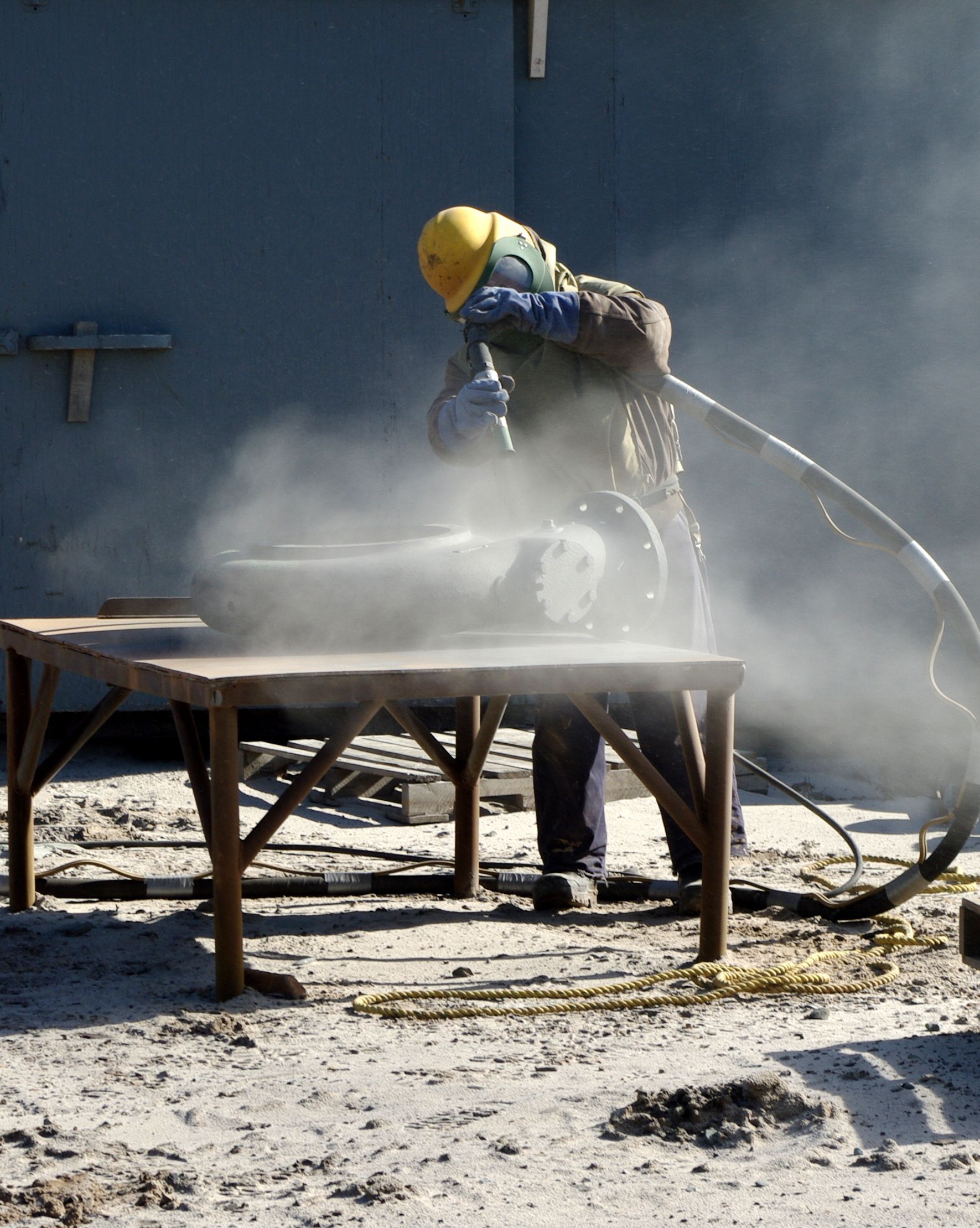
Sandblasting forces dry abrasive media, such as silica sand, steel grit, or aluminum oxide, through a pressurized hose and nozzle at high velocity. The abrasive strips paint, rust, scale, and other contaminants quickly and aggressively. Dry abrasive prep is highly effective on heavy industrial substrates like structural steel, industrial equipment, and concrete.
Dustless Systems
Dustless wet abrasive techniques mix water with the media inside the blast pot before it exits the nozzle. The water encapsulates the abrasive particles as they hit the surface, suppressing airborne dust significantly compared to dry methods. These systems can use many of the same media types, from steel grit to crushed glass, depending on the application.
Best Applications for Each Method
Automotive and Restoration Work
Dustless wet abrasive work is often preferred for automotive projects. The wet process reduces heat transferred to thin metal panels, which may help minimize warping on classic car bodies common in Mesa restoration shops. Dry sandblasting suits heavier components like frames and axles where aggressive profile creation is needed.
Pool Tile Cleaning
Pool tile cleaning is a high-demand service across the East Valley, where hard water mineral deposits build up quickly in Mesa's dry desert climate. Dustless wet media is frequently used for pool tile because it removes calcium scale without cracking delicate surfaces. The wet media cushions the impact while still cutting through stubborn deposits.
Industrial and Commercial Surface Prep
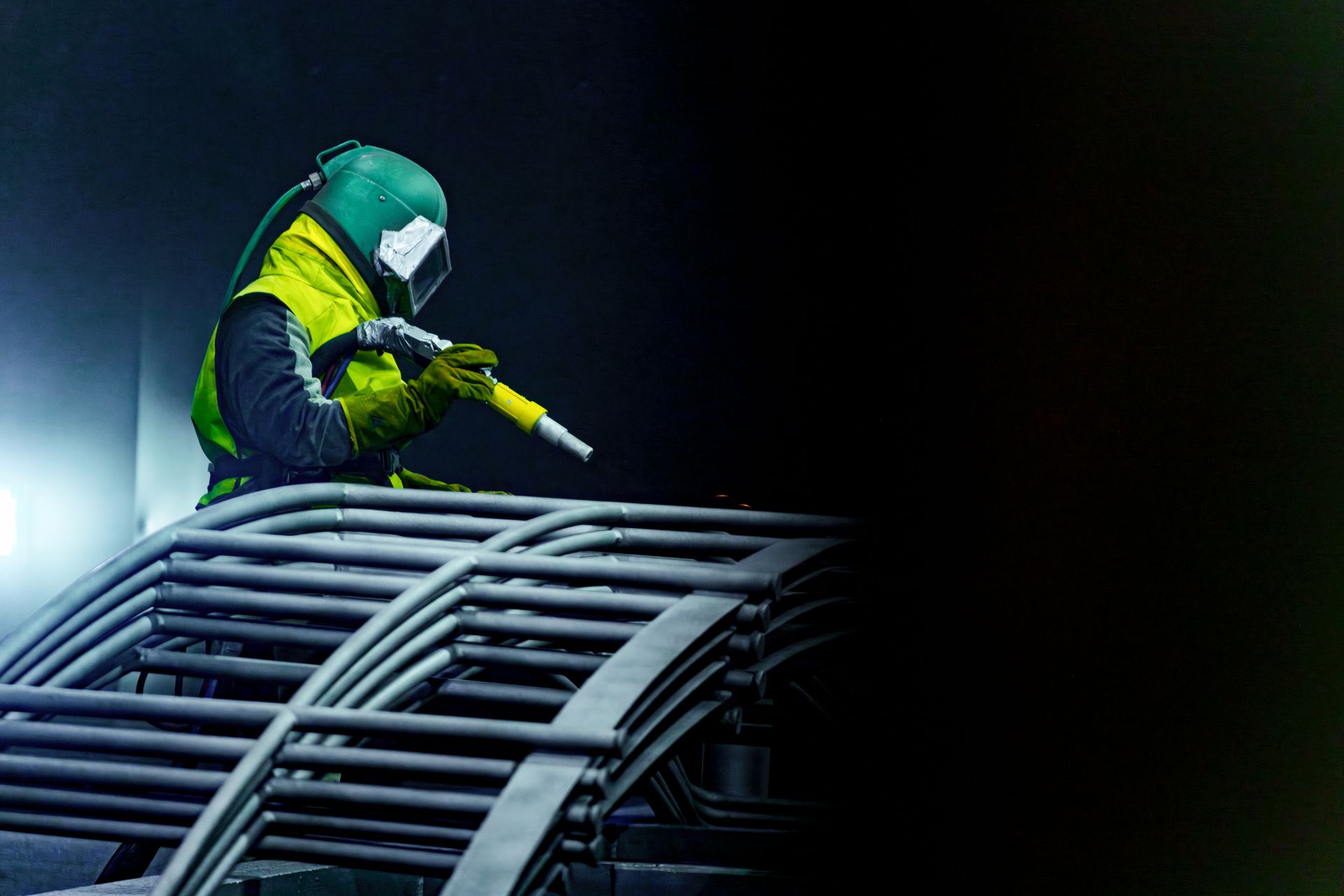
For large-scale industrial work, including prepping steel structures, tanks, or concrete floors in commercial facilities near the Mesa Gateway area, traditional dry sandblasting may offer faster throughput and a more aggressive anchor profile for coatings. Industrial contractors who need a specific surface profile rating often rely on dry methods and harder abrasive media like steel shot or aluminum oxide.
Environmental Considerations in Arizona's Climate
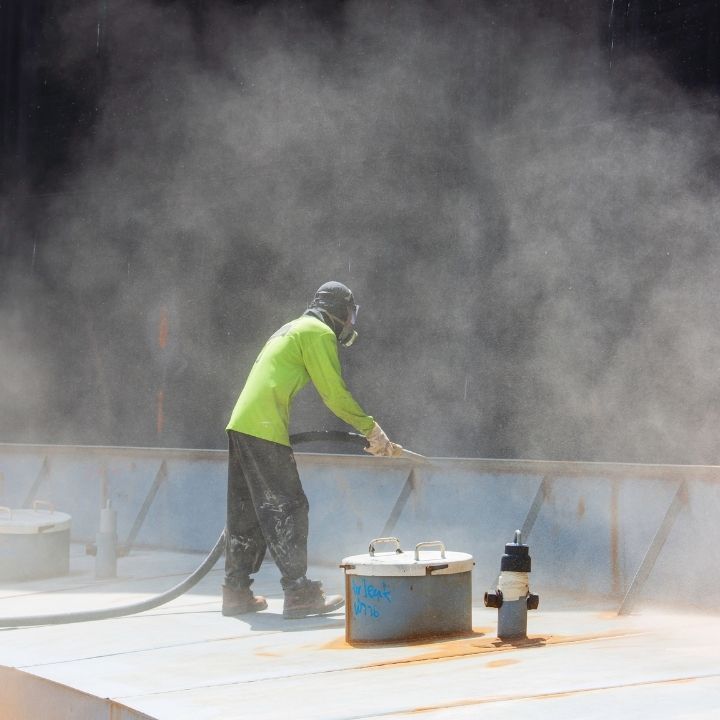
Arizona's heat and dust conditions create unique challenges for outdoor abrasive prep jobs. Traditional dry sandblasting generates substantial silica dust, which can travel quickly in Mesa's eastern industrial corridors and raises health and environmental compliance concerns under OSHA and EPA dust exposure guidelines.
Dust Suppression and Heat Effects in Summer
Dustless wet systems suppress airborne dust by roughly 92% compared to dry methods, a meaningful advantage when working near residential neighborhoods or commercial properties in the Phoenix metro area. In summer months, when Mesa's temperatures regularly exceed 110°F, dry prep can also accelerate flash rusting on freshly prepped steel. A wet technique may slow that reaction slightly, giving coatings crews a better window to prime the surface.
Cost, Time, and Equipment Tradeoffs
Dustless wet equipment typically costs more upfront and requires an on-site water supply. Cleanup after a wet job takes additional time due to slurry residue. Dry sandblasting equipment is often more compact and straightforward to operate, making it more suitable for remote or confined job sites.
For shorter runs or smaller jobs, dry methods may offer faster setup. For recurring work in populated or sensitive environments, the reduced dust and lower cleanup costs of dustless systems may offset the higher equipment investment over time.
Frequently Asked Questions
Can Dustless Techniques Be Used on Concrete?
Yes. Dustless wet methods work well on concrete, making them ideal for residential settings like pool decks or driveways where dust control matters.
What Abrasive Media Works With Both Methods?
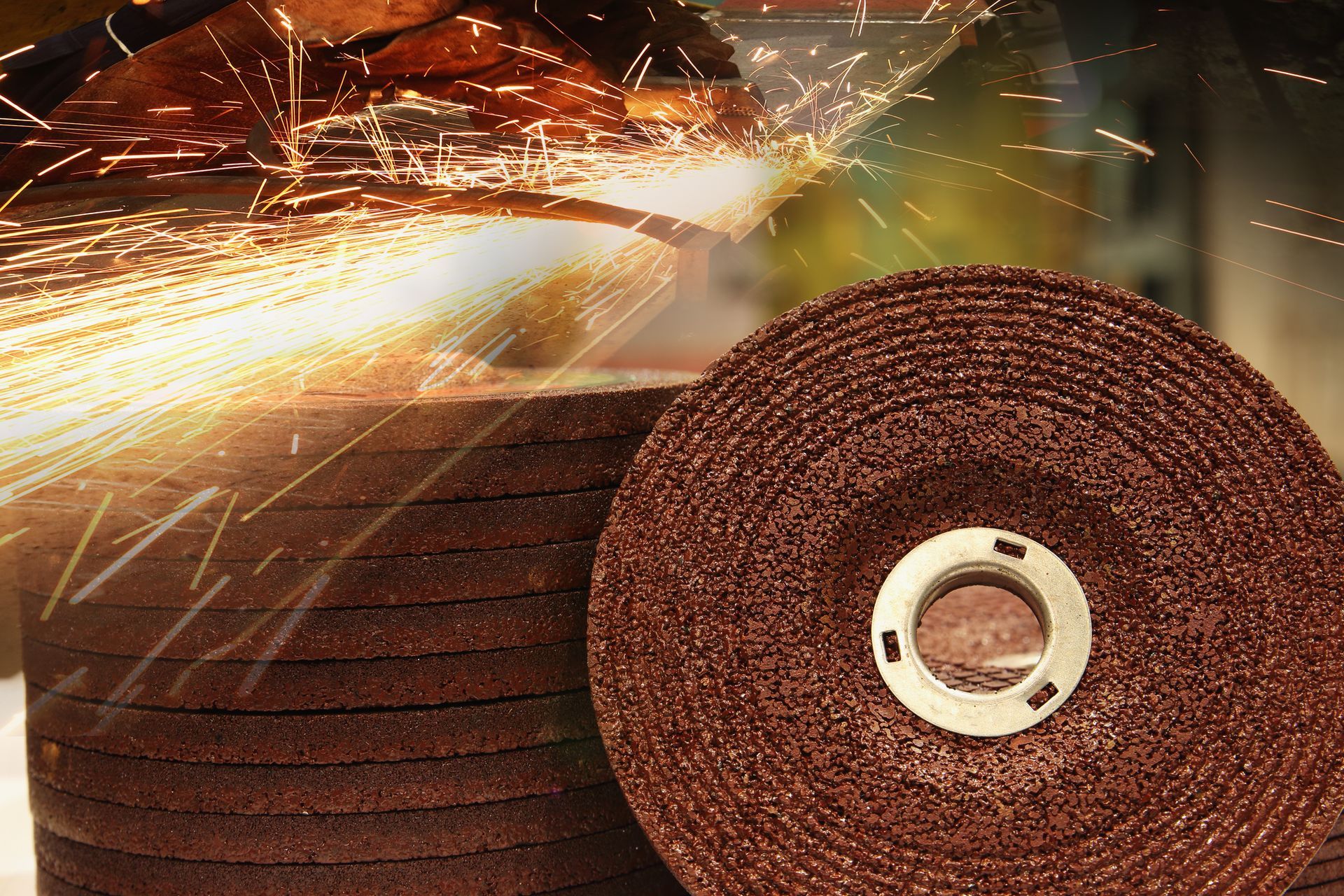
Steel grit, aluminum oxide, and crushed glass work in both systems. The right choice depends on substrate hardness, desired surface profile, and reusability.
Is Sandblasting Still Legal in Arizona?
Silica sand blasting is heavily regulated under OSHA rules. Most contractors now use garnet, steel grit, or crushed glass instead. Verify current regulations first.
Get the Right Equipment and Media for Your Mesa, AZ, Project
Choosing between sandblasting and dustless wet methods comes down to your surface type, job site conditions, dust control requirements, and project budget. Dry sandblasting suits heavy industrial prep and remote sites. Dustless systems are often the better fit for residential environments, delicate substrates, and summertime outdoor work across the Phoenix metro area.
Pecks Coating Supply Co. has been serving Mesa, AZ, and the surrounding Phoenix metro area with abrasive equipment and media since 1973. Whether you are outfitting a new rig, sourcing abrasive media, or need guidance on equipment selection, our team can help. Call (602) 269-6279 or contact us online to get started. You can also find us on Google to read reviews from local contractors and industrial teams across the Valley.