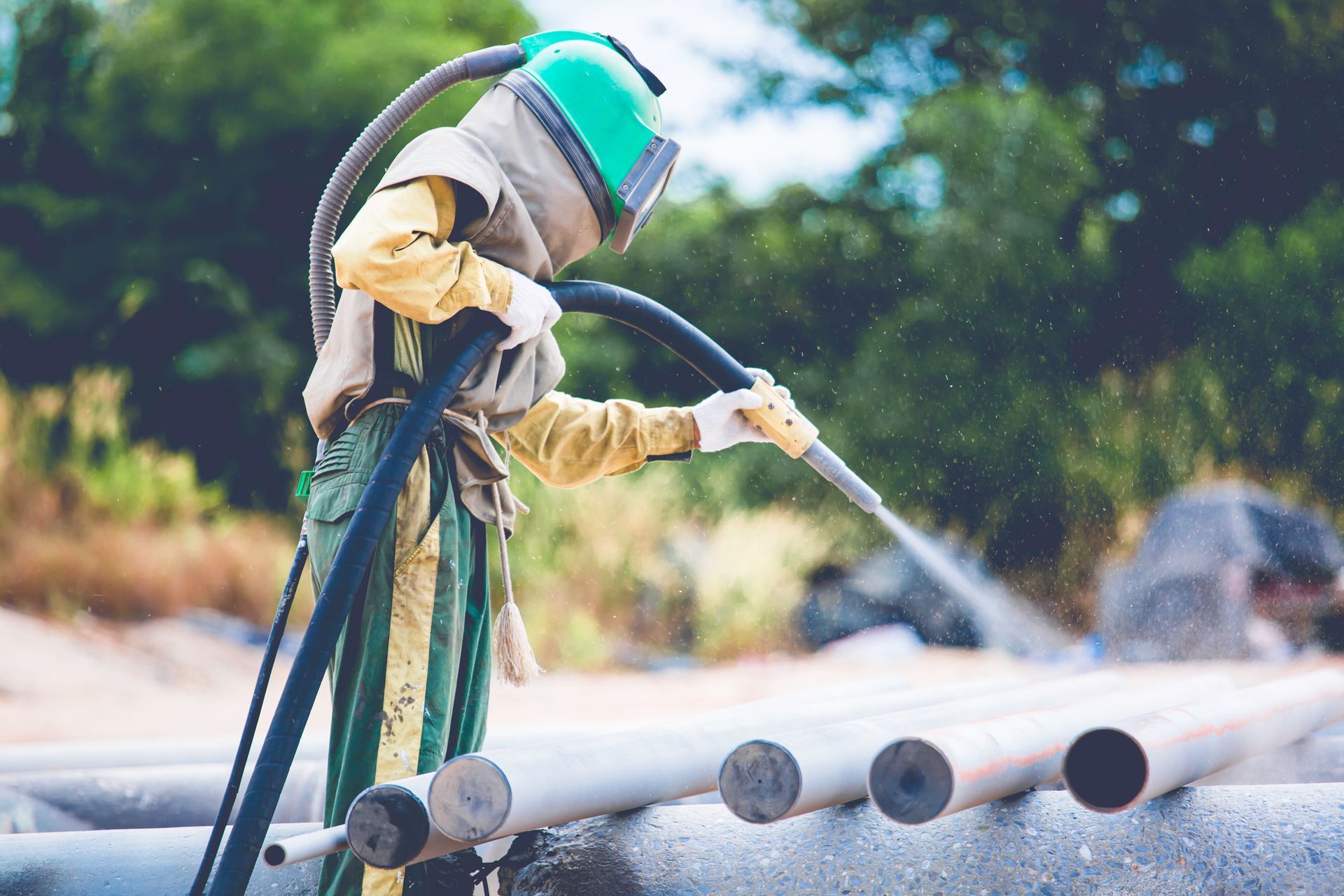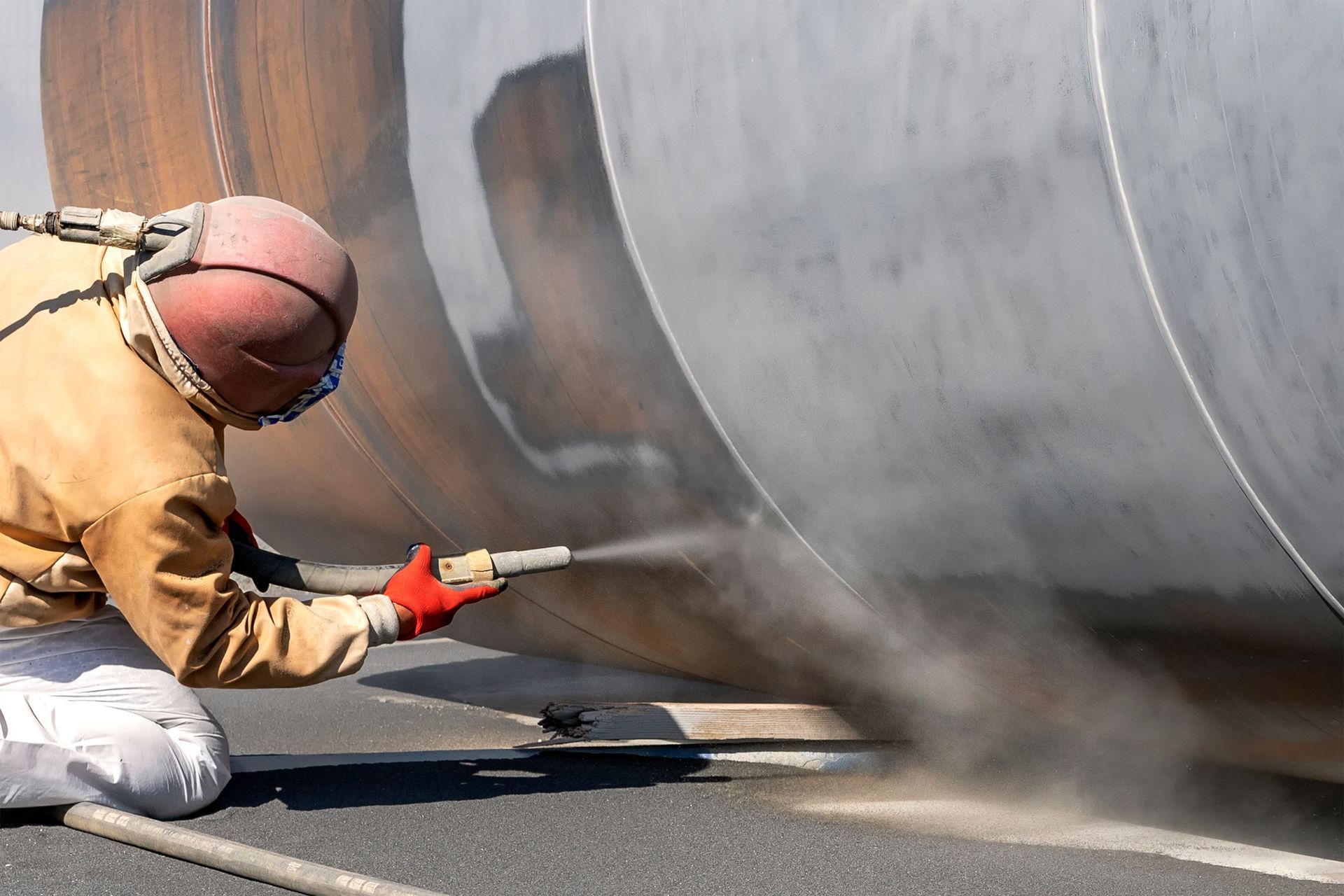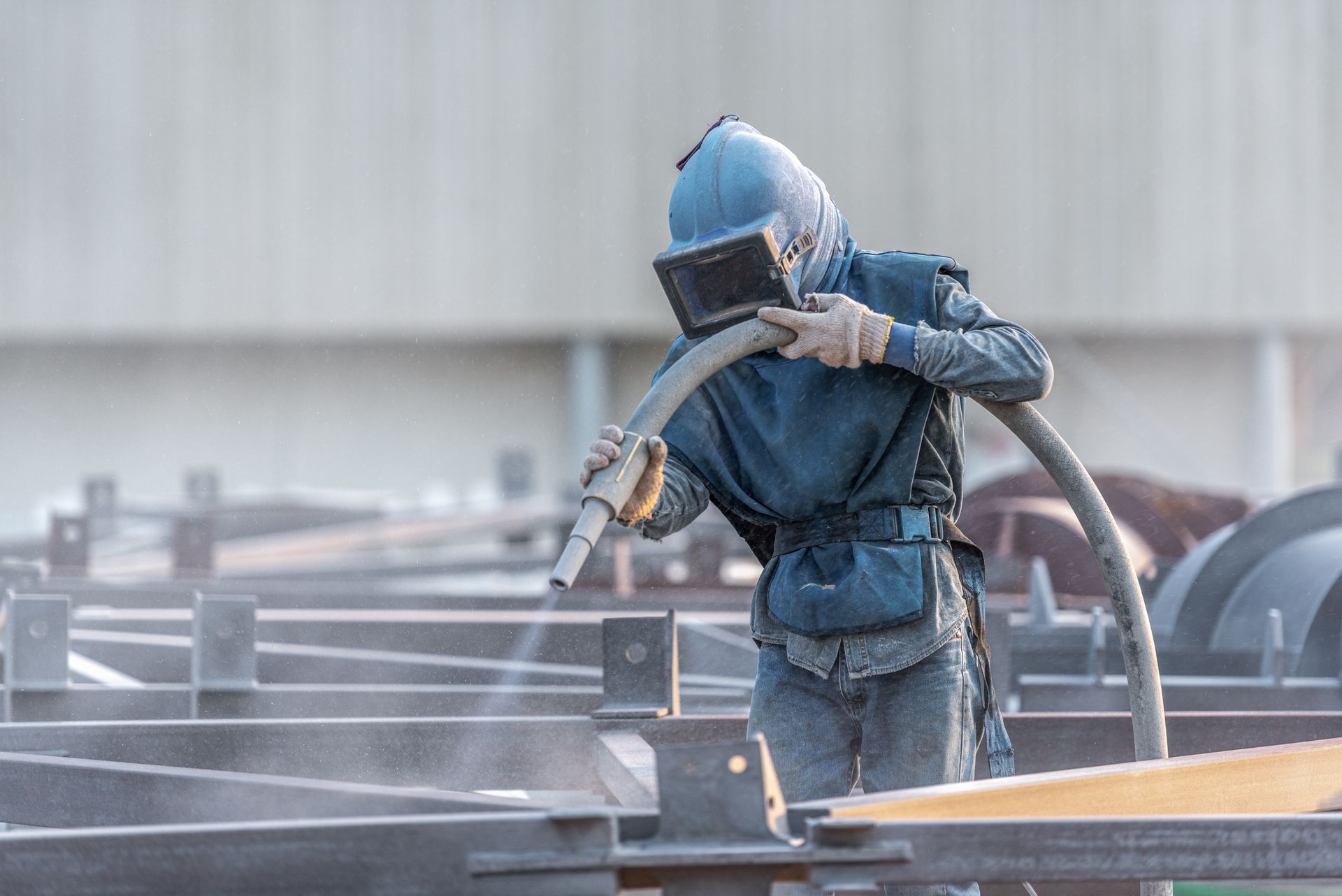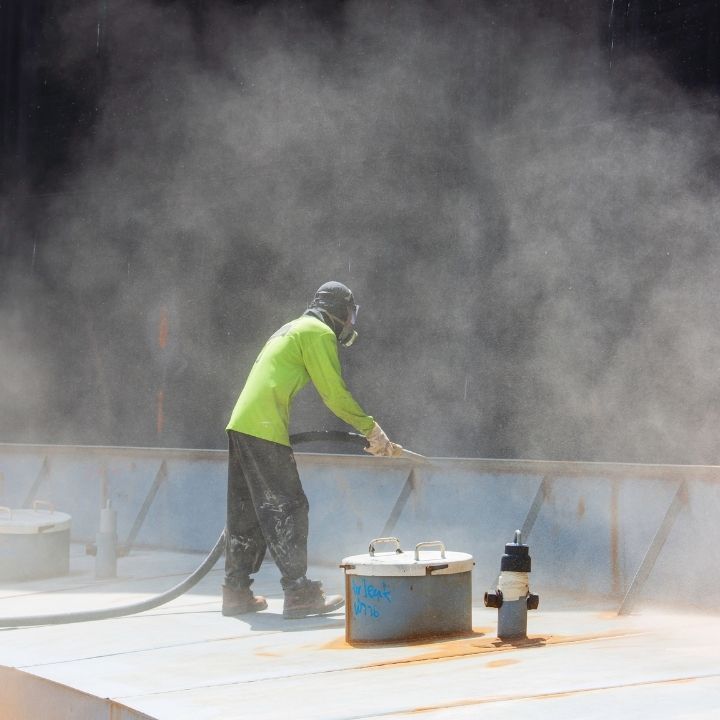
Top Abrasive Blasting Materials in Scottsdale, AZ: A Guide

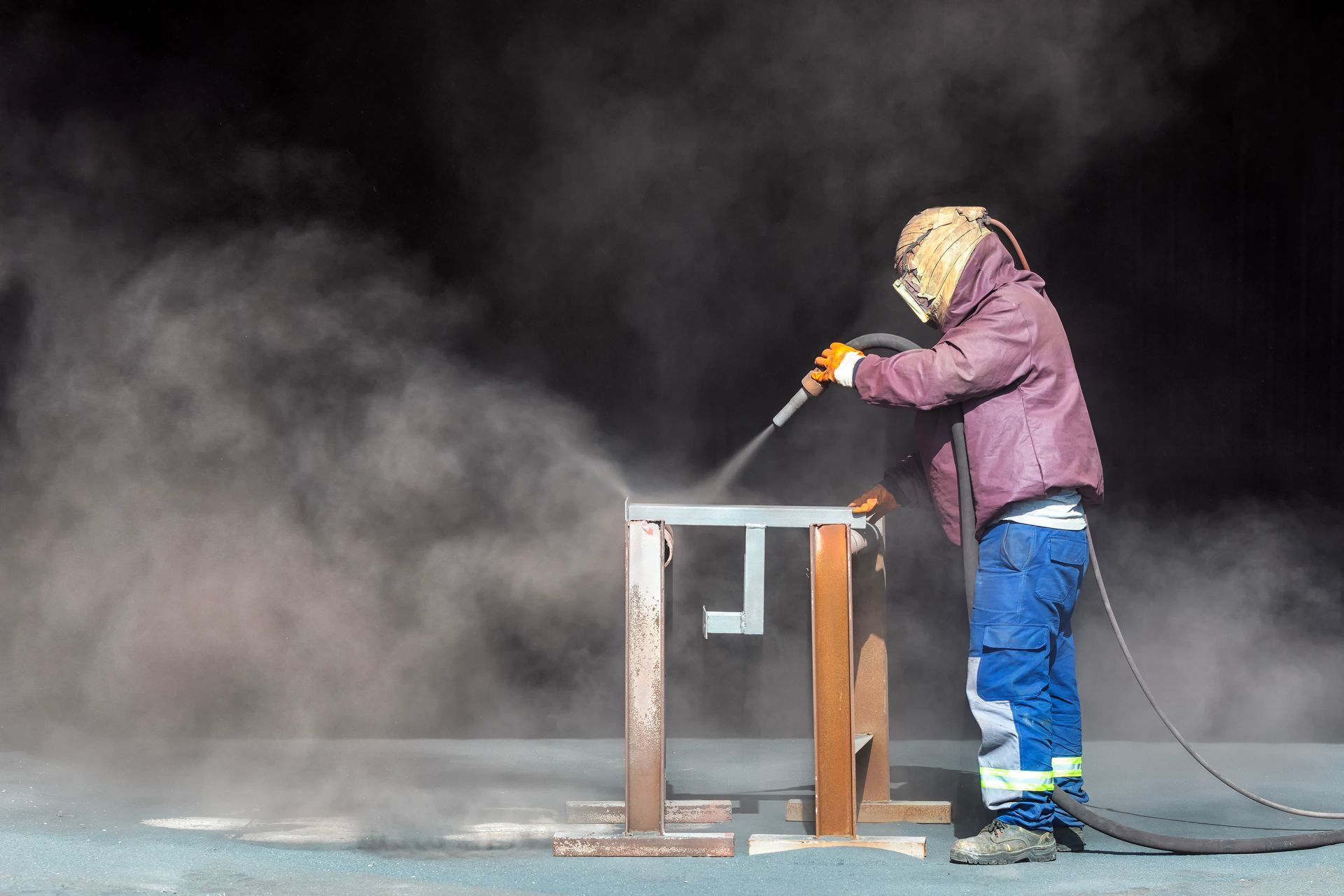
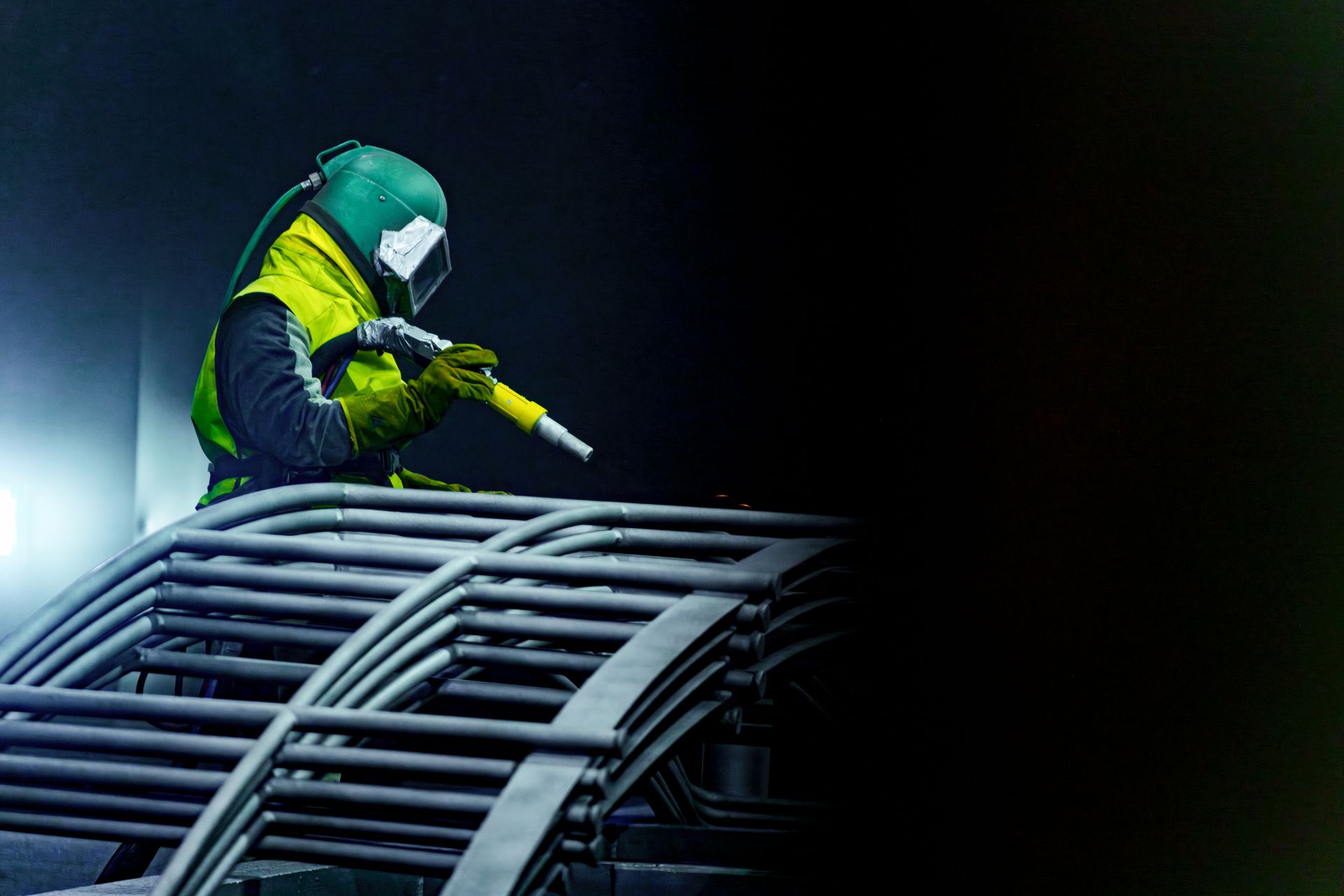
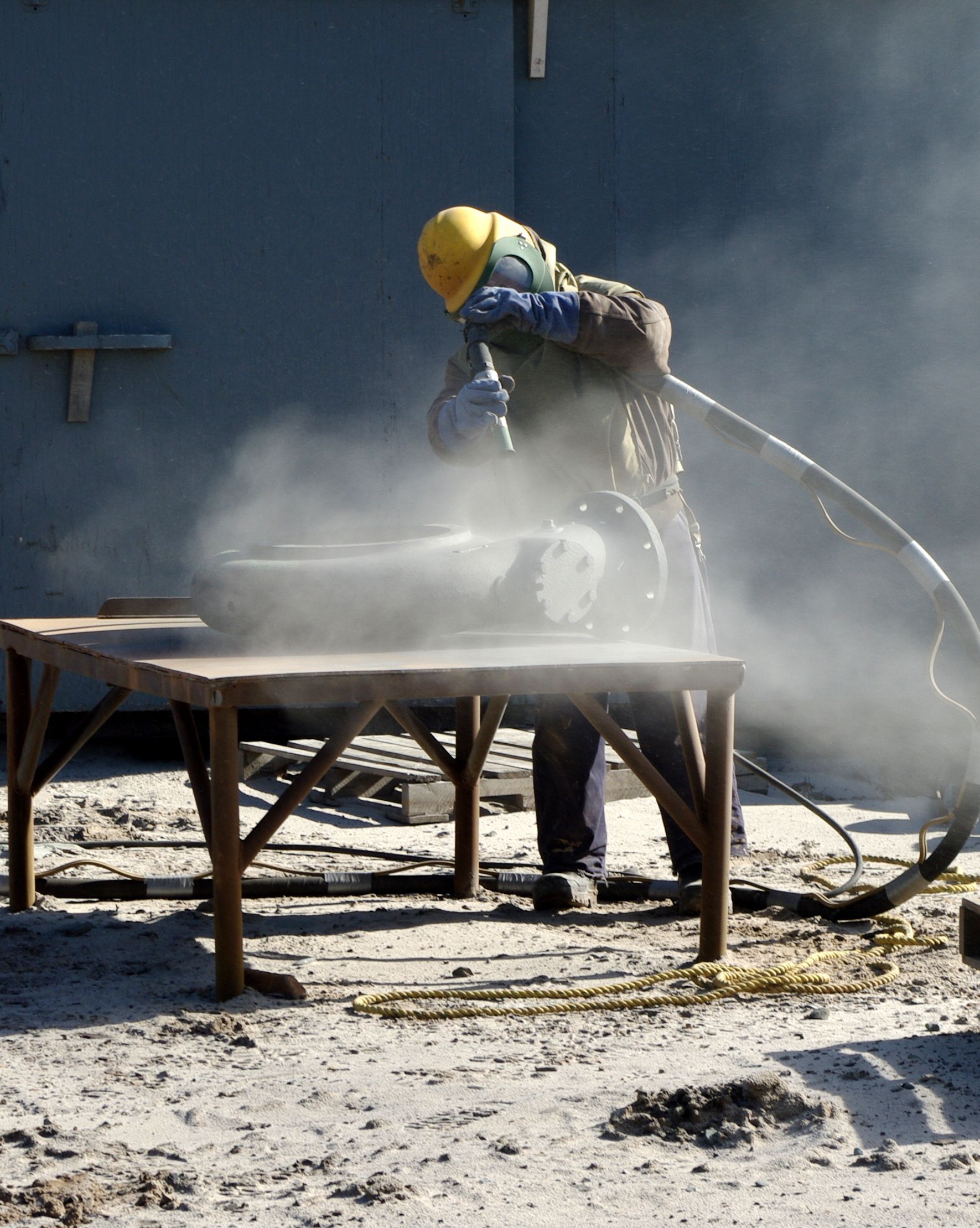
February weather in Scottsdale creates unique challenges for blasting crews. Cold mornings and warm afternoons can affect how abrasive blasting materials in Scottsdale, AZ, perform throughout the day. Many contractors notice changes in media flow or minor clogging during early shifts when equipment warms quickly.
Understanding how weather impacts blasting media helps prevent downtime and keep projects on schedule.
Understanding Abrasive Media in Desert Conditions
February weather in Scottsdale often brings dramatic temperature swings. Morning temperatures near forty degrees can quickly rise to the mid-seventies by afternoon. This rapid change affects both blasting equipment and abrasive performance.
Contractors working with abrasive blasting materials frequently notice that media behaves differently between early morning and midday operations. Cooler air combined with warming metal equipment can create condensation inside blast vessels.
Choosing the right blasting media helps crews maintain steady performance during these temperature shifts. Reliable abrasives reduce clogging and keep blasting operations running smoothly throughout the day.
Why February Weather Impacts Blasting Media
Desert climates often appear dry, but early mornings can still introduce moisture into blasting systems. When metal equipment warms quickly after sunrise, condensation may form inside blast pots and air lines.
This process can affect abrasive blasting materials by making the media slightly damp. Damp abrasives may clump together and slow the flow through hoses or valves.
Understanding this seasonal pattern allows contractors to prepare their equipment and protect blasting media from unexpected moisture.
What Are the Most Common Abrasive Blasting Media?
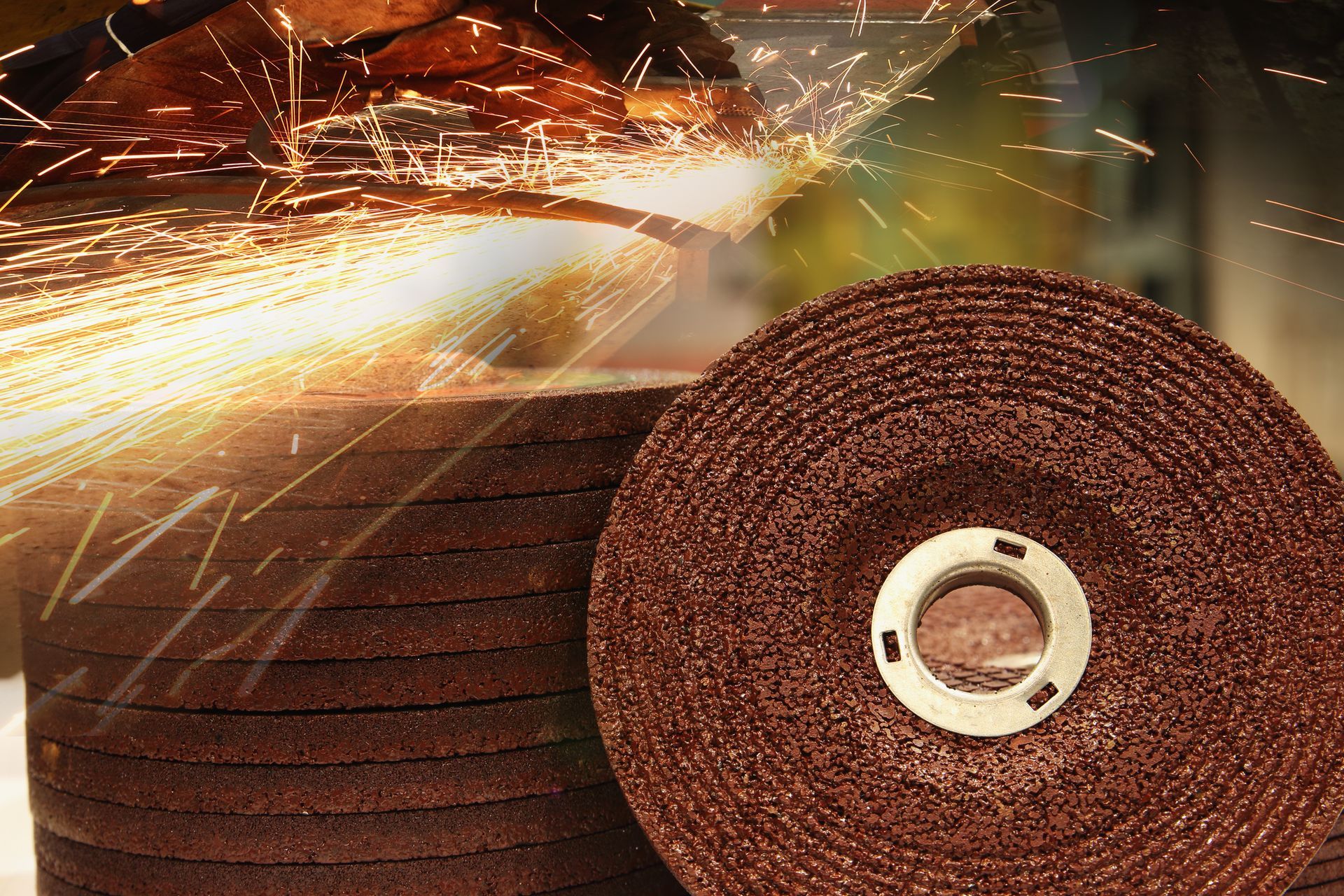
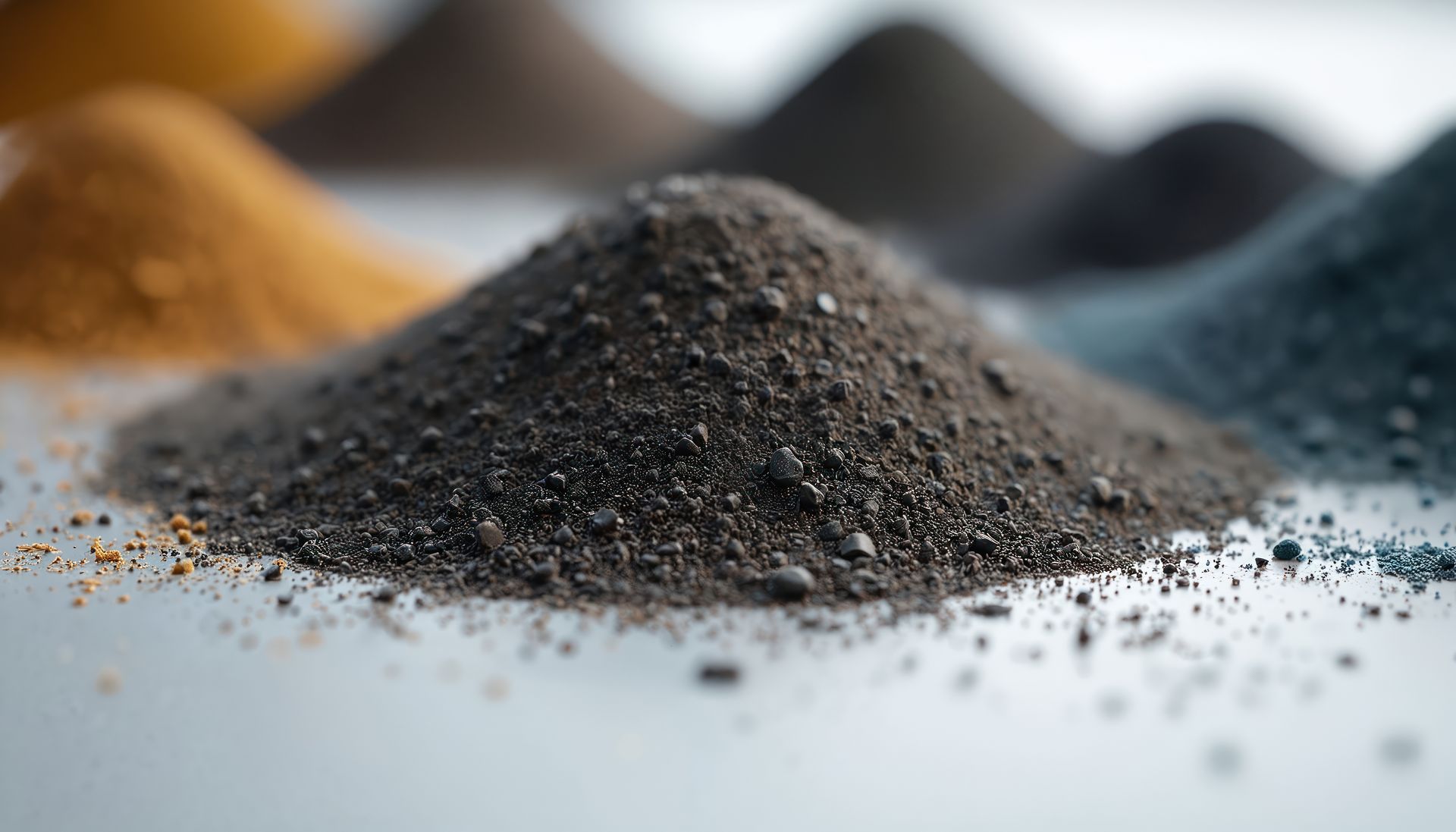
Contractors typically rely on several dependable media options for surface preparation. Each abrasive performs differently depending on the project and environment.
Professionals using abrasive blasting materials often select media based on cleaning strength, dust levels, and reuse potential.
Popular Abrasive Options
- Garnet abrasive
- Steel grit media
- Crushed glass abrasive
- Aluminum oxide abrasive
These materials provide reliable surface preparation for coatings, rust removal, and industrial cleaning projects.
Garnet Abrasive Performance in Desert Climates
Garnet is one of the most common blasting abrasives used by contractors. It produces a consistent surface profile and removes coatings efficiently.
However, garnet is a natural mineral abrasive that can absorb small amounts of moisture. During cool mornings, condensation may cause the media to clump slightly if it is not stored properly.
Even with this sensitivity, garnet remains a dependable option among abrasive blasting materials when crews use moisture separators and sealed storage containers.
Garnet Benefits
- Low dust during blasting
- Reliable cutting power
- Consistent surface preparation results
Steel Grit Reaction to Moisture
Steel grit behaves differently than many mineral abrasives. Its dense metallic structure makes it more resistant to moisture absorption.
Contractors working with abrasive blasting materials often choose steel grit for projects that require aggressive cleaning and reusable media. The abrasive can withstand multiple blasting cycles while maintaining strong cutting performance.
Even though steel grit absorbs less moisture, condensation inside equipment can still slow media flow. Moisture control equipment helps prevent this issue.
Steel Grit Advantages
- Reusable blasting media
- Strong surface cleaning ability
- Lower moisture absorption compared to mineral abrasives
How Moisture Affects Blast Equipment
Condensation inside blast pots is a common challenge during seasonal temperature swings. Cold metal surfaces warm quickly as the day begins, which can create moisture inside the system.
When blasting equipment contains damp media, the abrasive may stick together. This can interrupt the flow through valves and hoses.
Operators who regularly work with abrasive blasting materials often recognize this pattern during winter mornings. Preparing equipment before blasting begins helps reduce these problems.
Preventing Morning Clogging Problems
Several simple steps can help crews protect blasting media from moisture-related issues. Preventative equipment and good storage practices keep abrasive media flowing consistently.
Many professionals install moisture control systems to keep compressed air dry before it enters the blasting vessel.
Helpful Equipment
1. Airline moisture separators
2. Refrigerated air dryers
3. Covered abrasive storage bins
4. Drain valves for blast pots
Using these tools helps maintain reliable performance from abrasive blasting materials, especially during early morning shifts.
Helpful Equipment:
1. Airline moisture separators
2. Refrigerated air dryers
3. Covered abrasive storage bins
4. Drain valves for blast vessels
Choosing the Right Supplier for Abrasives
A reliable supplier plays an important role in successful blasting operations. Contractors need consistent abrasive quality along with practical guidance for working in desert climates.
Pecks Coating Supply Co. supports professionals serving Scottsdale and nearby areas by providing trusted blasting media and equipment solutions. Experienced teams can help contractors choose the right media for their projects.
To explore available blasting supplies and media options, visit our website.
Storage Tips for Desert Job Sites
Proper storage helps protect abrasive media from moisture and temperature changes. Even dry climates can produce condensation when temperatures drop overnight.
Contractors often store abrasive blasting materials inside sealed containers or covered storage areas. This reduces the risk of damp media and improves flow through blasting equipment.
Smart Storage Practices
- Keep abrasive containers sealed when not in use
- Store media indoors whenever possible
- Avoid leaving blast pots loaded overnight
- Check air lines for moisture buildup before blasting
Why Is My Sandblaster Clogging in the Morning but Working in the Afternoon?
During February in Scottsdale, temperatures may start near forty degrees and rise quickly during the day. When metal blast vessels holding abrasive blasting materials warm rapidly, condensation can form inside the equipment. This moisture slightly dampens the abrasive and restricts its flow through the valves and hoses. As the air temperature rises later in the day, the moisture evaporates and the blasting media begins flowing normally again.
Selecting the Right Media
Choosing the right abrasive depends on the surface being cleaned, the equipment used, and the local climate. Temperature swings during winter mornings can influence how blasting media flows through equipment.
By selecting the proper abrasive and installing moisture separators, contractors can keep blasting systems running smoothly throughout the day. Garnet and steel grit both perform well when moisture is properly controlled.
Get Expert Help Choosing the Right Abrasive Media
If your team needs help selecting dependable blasting materials, Pecks Coating Supply Co. is ready to assist. Contact us today to get guidance on choosing the right blasting media for desert job sites. Our team is happy to answer questions and recommend reliable abrasive solutions. Call 365-990-3551 or visit our contact page to learn more about the right abrasive options for your next project.