Choosing the right abrasive blasting equipment can make or break a project, and contractors in the Gilbert, AZ, area face a unique set of conditions that should drive that decision from the start.
Gilbert sits in the heart of Maricopa County's East Valley, where summer temperatures regularly push past 110°F, dust storms roll through with little warning, and a dense mix of residential, commercial, and industrial work keeps contractors busy year-round. From pool tile calcium removal and structural steel prep to automotive restoration and concrete surface prep, the range of jobs here demands a clear-eyed look at equipment before any project kicks off.
Understanding the Main Equipment Types
There are three core categories of abrasive blasting equipment, each serving a different purpose.
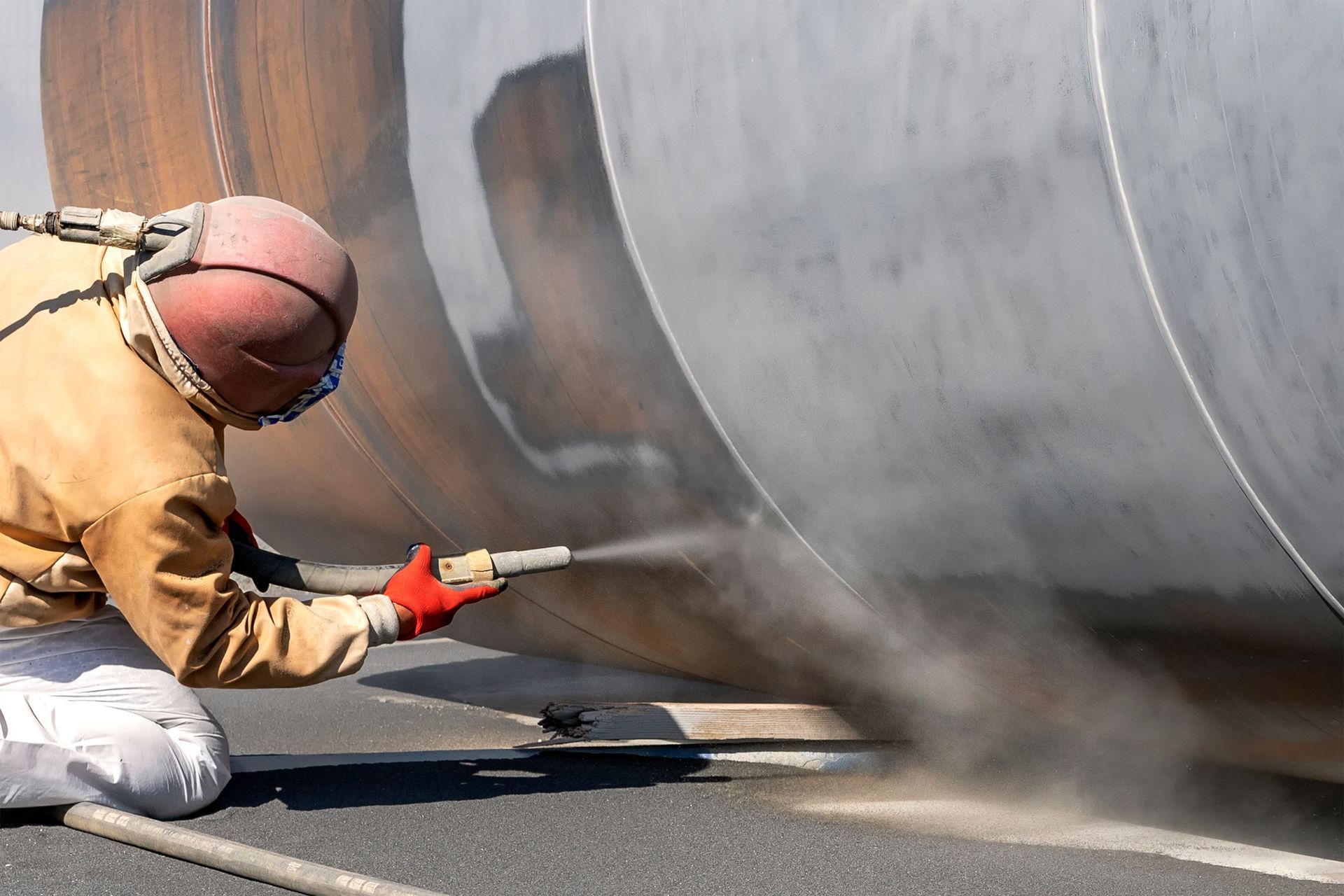
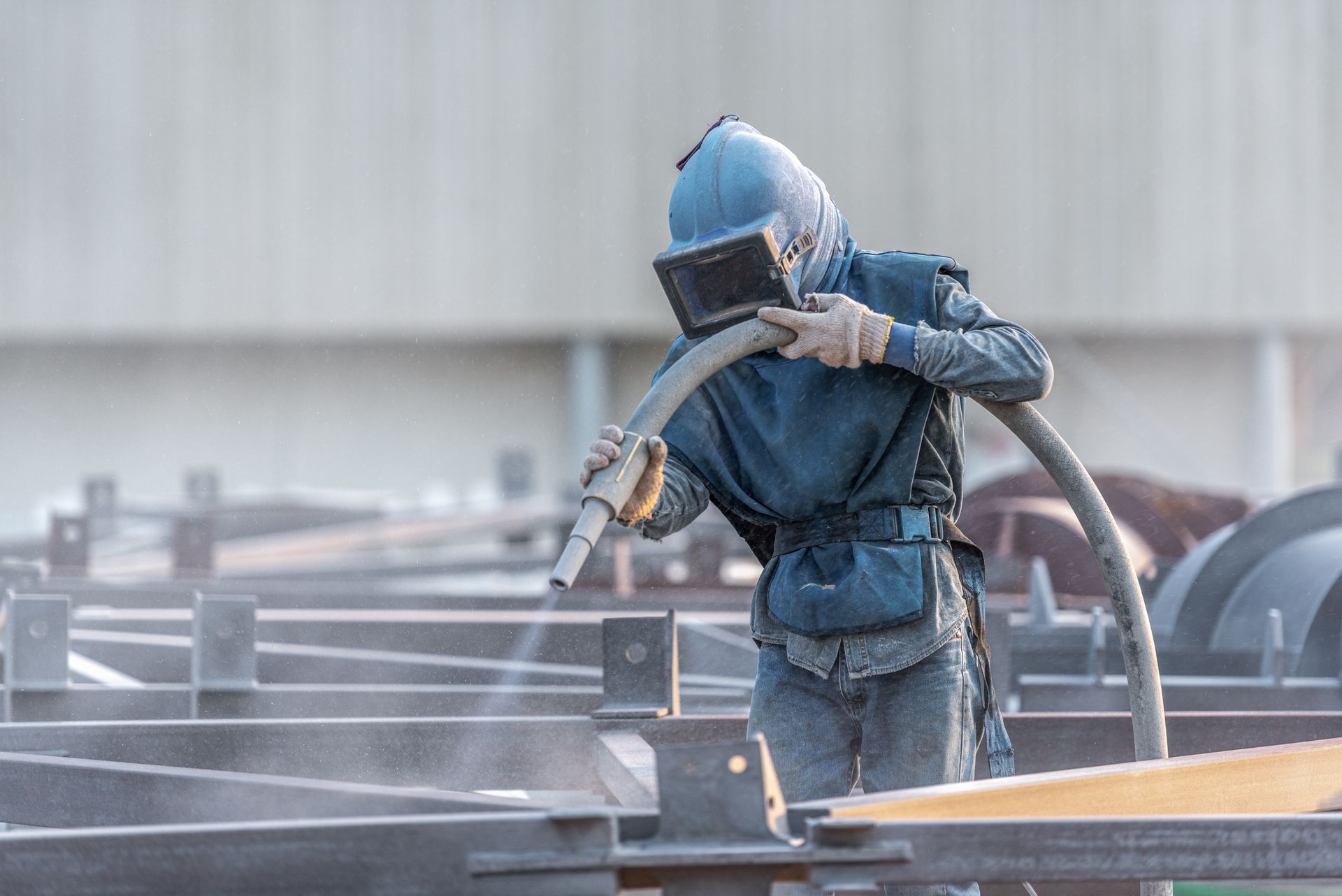
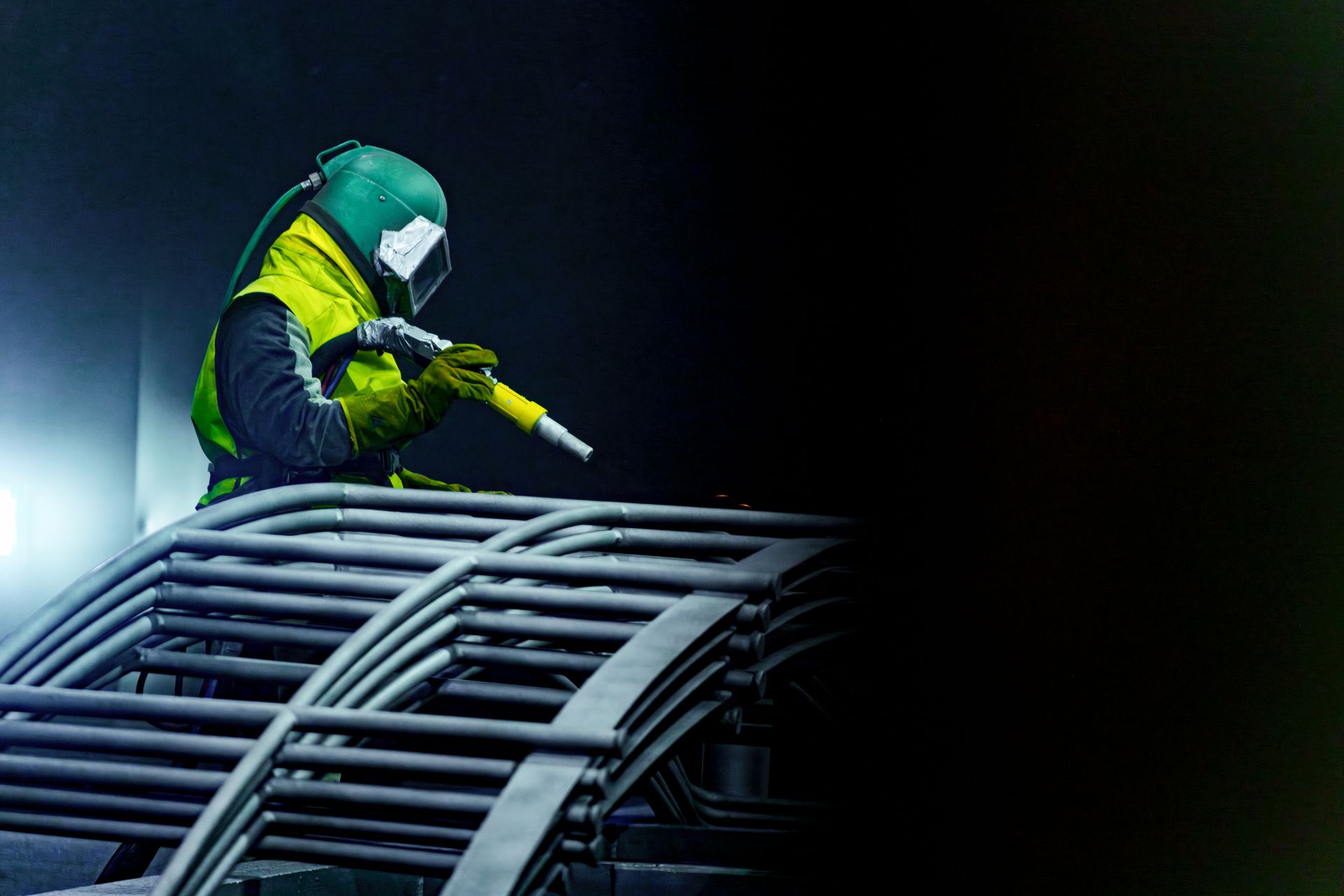
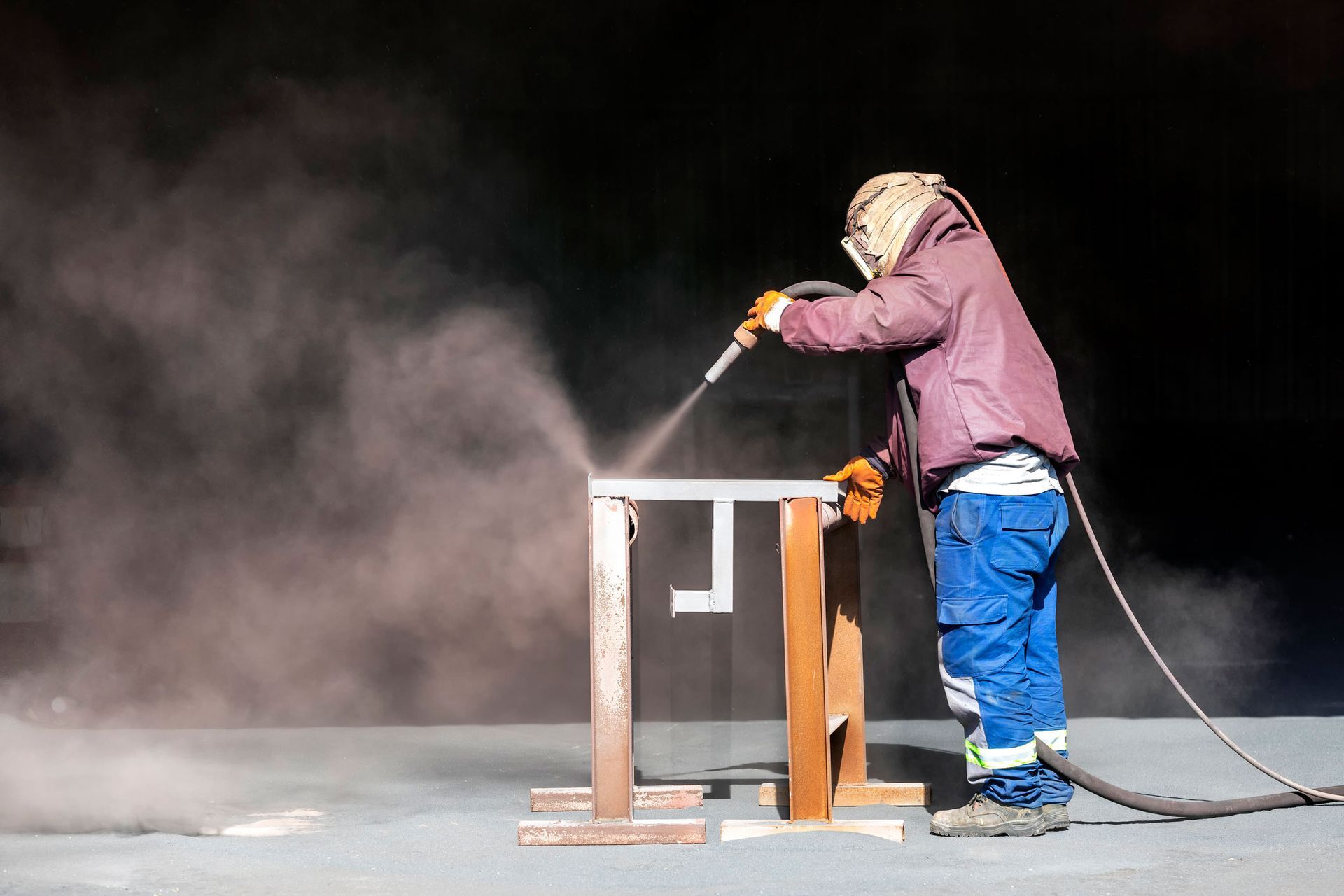
Blast pots (pressure vessels) are pressurized tanks that hold abrasive media and meter it into the airstream. They are the workhorse of contractor-grade field work, well-suited for large surface areas like structural steel, concrete floors, or building facades. A larger pot means fewer refill stops, which translates directly into faster job completion on big sites.
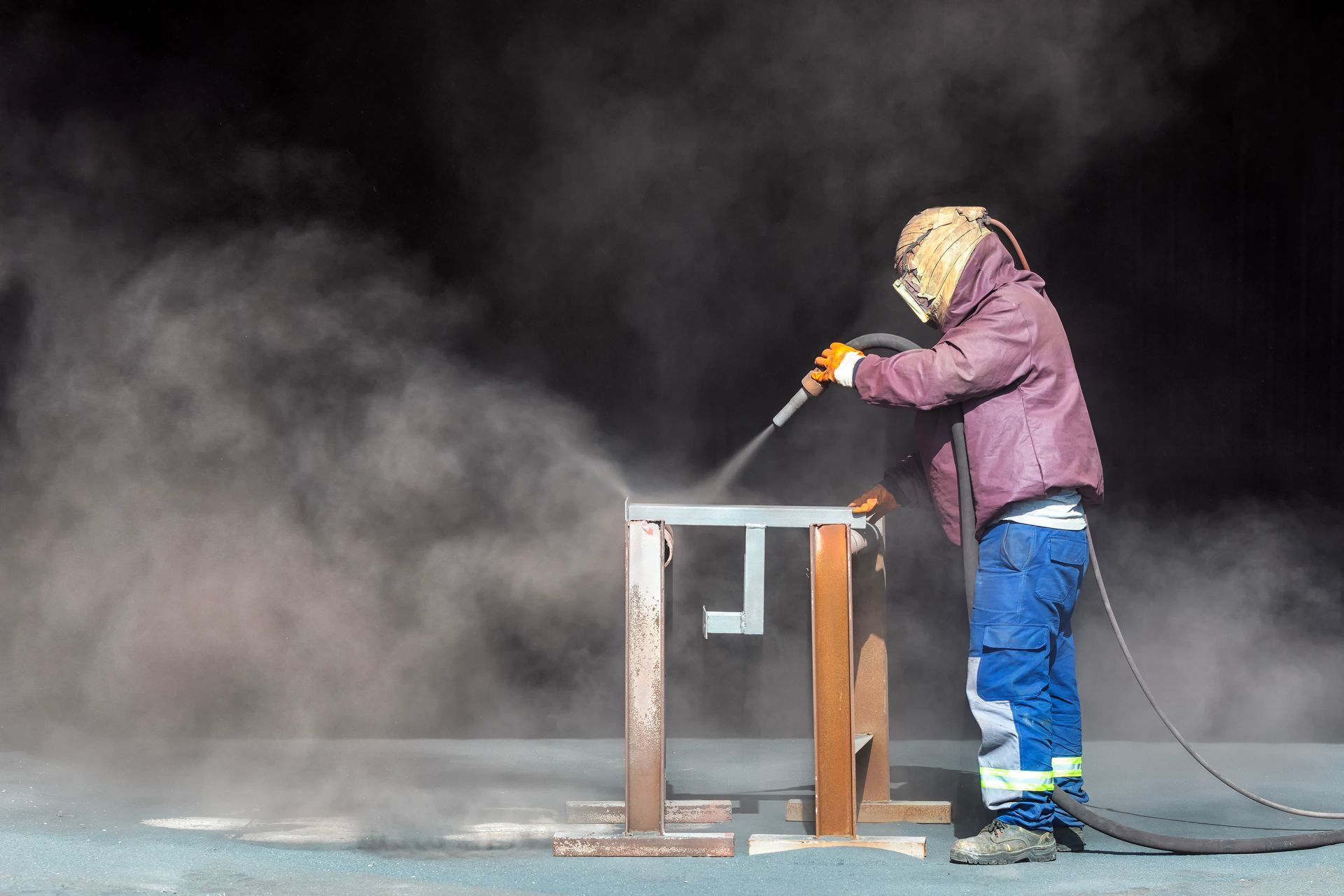
Blast cabinets are enclosed shop units with built-in media recovery, best suited for small parts and repeatable finishing tasks such as automotive components, hardware, or pool tile work done in a controlled environment. Cabinets keep the workspace clean and allow media to be recycled, lowering material costs over time. For Gilbert-area shops handling classic car restoration or fabrication, a well-sized blast cabinet may be the most practical day-to-day tool.
Portable blasting units are built for mobility, ideal when the work surface cannot come to the shop. Contractors who move between Chandler, Mesa, and Gilbert job sites often rely on portable systems for their flexibility.
How Does Abrasive Media Compatibility Affect Your Choice?
Equipment selection and media selection are closely linked. Common media types include garnet, glass bead, aluminum oxide, crushed glass, coal slag, steel grit, and sodium bicarbonate. Each behaves differently in a blasting system. Heavier, angular media like steel grit works well in pressure pot systems but can damage equipment designed for finer media. Glass beads, often used for pool tile calcium removal in the East Valley's hard-water market, require controlled pressure and accurate metering. Soda blasting uses sodium bicarbonate and needs purpose-built equipment with specific vibration and moisture controls, since standard pots can clog with this low-density material.
Before purchasing or renting equipment, know which media your most common job types require. That one decision can narrow your options significantly.
Arizona Heat and Dust Considerations
Gilbert's climate presents real challenges for equipment longevity and operator safety.
Extreme heat accelerates wear on rubber components, hoses, and seals. Inspect these parts more frequently during summer months and store equipment out of direct sun. Air compressors also work harder in high ambient temperatures, reducing output pressure and affecting blast performance. A compressor that delivers adequate CFM in a shop may underperform on a July afternoon in the open sun.
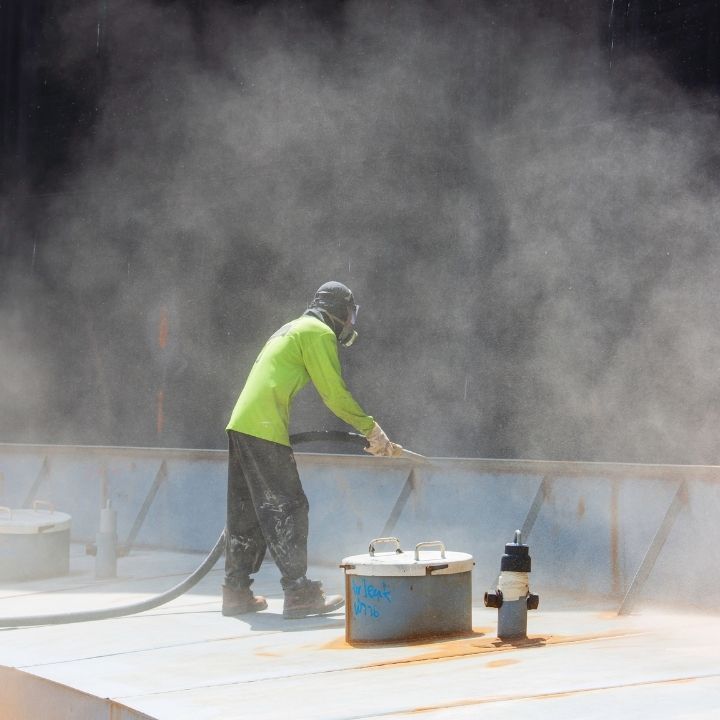
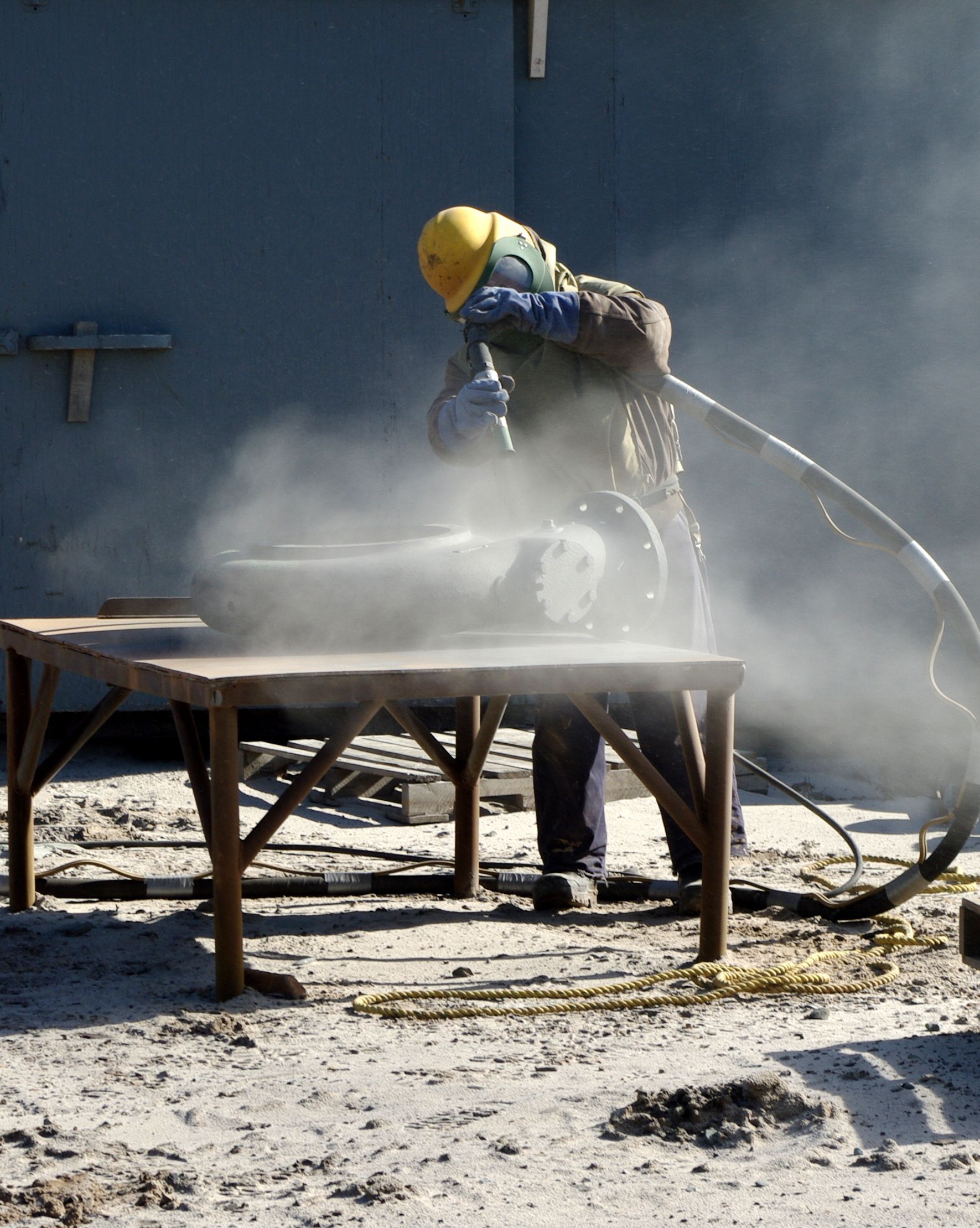
Dust is an equally serious concern. Maricopa County's frequent haboobs push fine particulate into equipment, clogging media lines and wearing down valves faster than in other climates. A quality dust collector is not optional in this environment. It improves operator safety, protects nearby work areas, and extends equipment life. For contractors operating near residential neighborhoods or commercial developments in Gilbert, AZ, controlling dust also means staying compliant with local air quality expectations.
Moisture matters even in a desert climate. Compressed air picks up humidity that can cause media to clump in the pot. Inline moisture separators and aftercoolers help prevent this, especially during monsoon season when humidity spikes.
A Simple Decision Framework for Picking Equipment
Use project size and surface type together to guide your choice.
For small or occasional work on parts and auto components, a blast cabinet is the best fit. For small field work such as fencing and spot rust, a small portable blast pot works well. Medium commercial jobs on concrete and structural steel call for a contractor pressure pot, while large production work in industrial facilities calls for a large pressure system with a dust collector.
Many East Valley operations keep a blast cabinet in the shop for small parts and a contractor-grade pressure pot for field work. Sourcing both from the same local supplier simplifies parts, media, and technical support.
Where to Source Equipment Locally
Working with a local supplier serving the Gilbert, Mesa, and Chandler corridor means faster access to replacement parts, media replenishment, and knowledgeable support when something goes wrong mid-project. Local relationships matter when equipment goes down and a job is waiting.
Browse the abrasive blasting equipment options available to Gilbert-area contractors to see what fits your operation.
Frequently Asked Questions
What Size Blast Pot Do I Need?
Pot size determines how long you can blast before refilling. Match it to your most common project scale, not your largest possible one.
Do I Need a Dust Collector?
Yes. Dust collectors protect operator health, improve visibility, maintain air quality, and reduce wear on other equipment.
Should I Choose Wet or Dry Blasting Equipment?
Dry blasting costs less and handles more media types but creates more dust. Wet blasting costs more upfront but produces far less airborne dust.
Ready to Find the Right Setup?
Pecks Coating Supply Co. has been serving contractors and industrial operations across the East Valley since 1973. Whether you run a shop in Gilbert, pull commercial jobs across Chandler, or handle field work throughout Maricopa County, the right abrasive equipment matters. Reach out to Pecks Coating Supply Co. or contact us to get started.